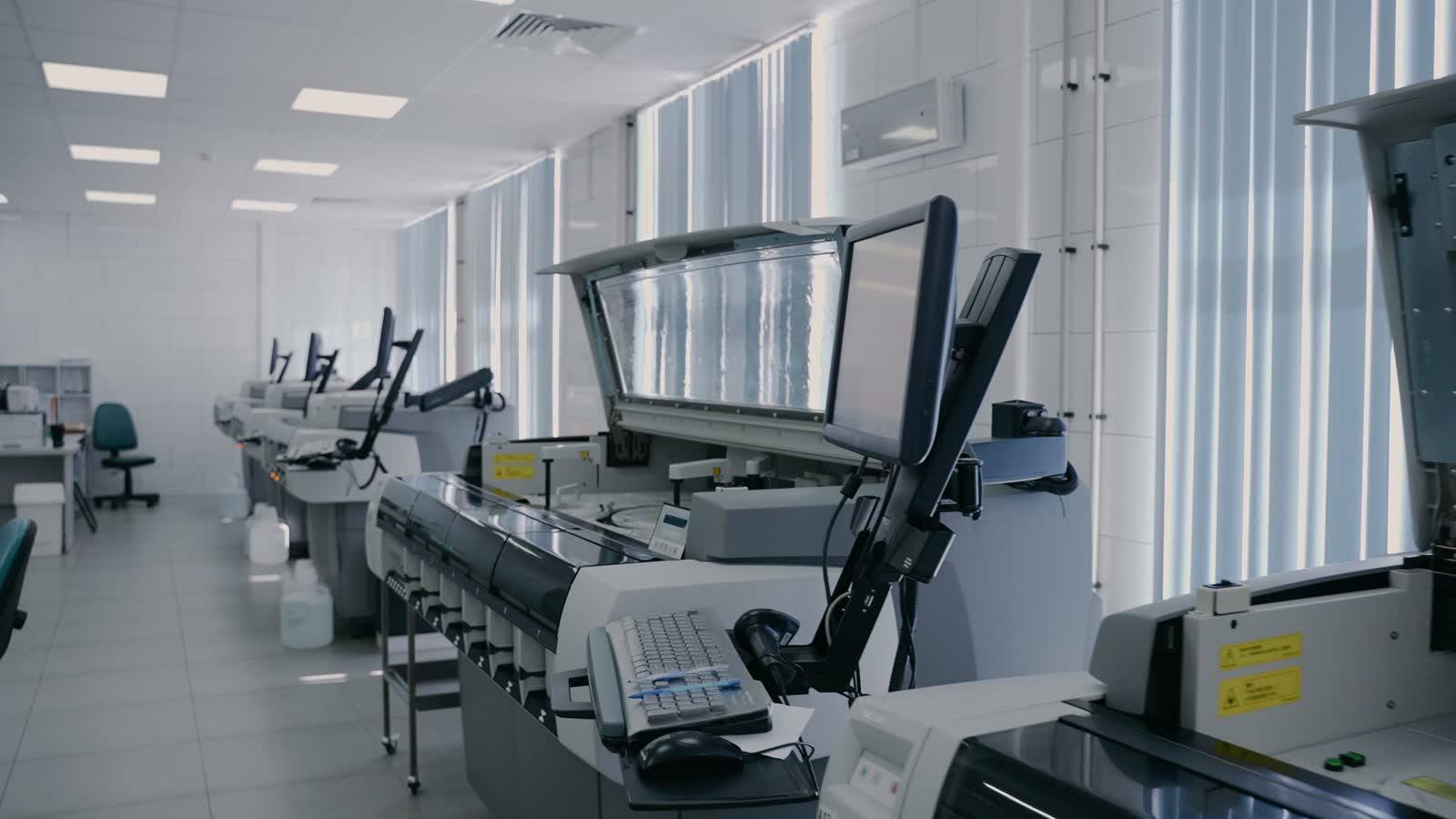
Show what your product really is, by measuring it.
We add nothing to your product. We measure its own composition and compare it against a sample you know to be correct. The result is confirmed in the laboratory.
Being able to answer when the product itself is questioned changes a great deal.
Supply chains are rich in declarations and short on backing. An answer grounded in measurement at three points makes your daily work lighter.
You back up the declaration
A supplier certificate tells you what the product is. When the measurement says the same thing, your claim stands on its own feet.
You get to know your supplier over time
Seeing consistency from batch to batch lets you tell a good supplier apart and put the conversation on record.
You have a record to look back at
When a question arrives you find which batch was examined and what came out of it without going looking.
See the gap between measurement and declaration at a glance.
The measurement of your sample is laid over a reference known to be correct. Where the two curves overlap, your claim is confirmed; where they diverge, you are shown the point to look at.
- Comparison against the reference on one screen
- Points of divergence marked
- The result tied directly to the batch
From sample to comparison
How the sample is taken, what it is compared against and where the result settles all run in one setup.
From verification to compliance
Adulteration detection
Whether the contents match the declaration
Read MoreOrigin verification
What stands behind a claim of origin
Read MoreSupplier monitoring
The same supplier, over time
Read MoreBatch records
Which batch carries which result
Read MoreReporting
The document you are left with
Read MoreCompliance
What you stand on in an audit
Read MoreRisk and expectation differ by sector.
Every sector has its own supply structure, its own risk headings and its own buyer expectations. These pages set out the difference.
Food
Verifying contents and origin
Read More
Olive oil
Verifying purity and region
Read More
Honey
Verifying authenticity and source
Read More
Supplements
Verifying actives and contents
Read More
Beverages
Verifying fruit content and origin
Read More
Cosmetics
Verifying formulation and raw materials
Read More
Pharmaceuticals
Verifying raw materials and excipients
Read More
Feed and agriculture
Verifying raw materials and additives
Read More
Chemicals
Verifying input identity and purity
Read MoreSetup is done in four steps.
You know which stage you are at from beginning to end.
The sample is taken
A sample of your product is taken properly, by whichever route suits you.
It is measured
The sample's own composition is measured; nothing is added to the product.
It is compared
The measurement is compared against a reference known to be correct, and points of divergence are identified.
It is reported
The result becomes a document you can hand to your buyer and your auditor.
Verification that never touches your production.
Setting up requires no change to your line.
Your line stays the same
Your packaging, your recipe and your machinery are left untouched. You add no step to your production.
You start with today's product
A product on the shelf or waiting in the warehouse can be examined too; no preparation needs to have been made in advance.
We know your sector
We work across nine sectors, from food to chemicals. We know what your buyer and your auditor ask.
Frequently Asked Questions
Is anything applied to my product?+−
No. Your product's own composition is examined. Nothing is added to your packaging, your recipe or your production line.
Can I start without a reference of my own?+−
Yes. The shared reference pool gives you a basis for comparison from day one. As your own verified samples are added, the library becomes specific to your product.
Who takes the sample?+−
We choose the route that suits you together: your own team sends the sample, pre-screening is done at the facility, or our team takes on the sampling.
Where does the result settle?+−
In the laboratory. The quick look in the field tells you which sample is worth examining further; the result you put in front of your buyer and your auditor rests on laboratory confirmation.
Do our existing systems have to change?+−
No. Molevex does not replace a production or quality system; it works alongside the setup you already have.
Can I hand the report straight to my buyer?+−
Yes. The report is prepared in a form you can share without writing a summary of your own, in language a non-specialist can read.
Let's decide together which of your products to examine.
We will talk through the right setup from your supply structure and your product range.